



The Art of Doing Nothing: Why Slow Living and Digital Detoxes Are Taking Over Our Feeds
Picture this: your screen lights up with another notification. Your inbox is overflowing, your group chats are moving at Mach 3, and your algorithm is serving you hyper-fast TikToks, relentless productivity hacks, and endless travel itineraries designed to make you feel like you aren’t doing enough. Sound exhausting? You aren’t alone. Welcome to the great digital burnout.
Lately, a quiet rebellion has been brewing across our feeds. Instead of glorifying the hustle, the internet is making space for something entirely different: absolute stillness. From aesthetic “slow mornings” and offline weekend cabin getaways to mindful coffee brewing and tech-free dinners, doing nothing has officially become the ultimate lifestyle flex.
At Float & Fun, we love a good high-energy trend, but this counter-movement caught our attention. Why are we suddenly trading high-speed chaos for the art of slow living? Let’s dive into why this shift is happening, how it’s showing up online, and how you can embrace a little digital peace without throwing your smartphone into the nearest body of water.
From Hustle Culture to Slow Living: The Shift in the Zeitgeist
For years, internet culture was dominated by the “rise and grind” mindset. We tracked our sleep, optimized our morning routines down to the minute, and treated leisure like something that had to be earned through intense productivity. Every hobby had to have a side-hustle potential, and every vacation needed to double as a high-yield content shoot.
Eventually, the collective burnout hit a boiling point. Constantly processing information from multiple screens takes a heavy psychological toll. The resulting fatigue has paved the way for slow living—a lifestyle philosophy that encourages people to slow down the pace of their daily lives, connect more deeply with their surroundings, and savor everyday moments.
This isn’t about moving off the grid and becoming a hermit. Rather, it’s about establishing healthy boundaries with technology and reclaiming your time from the attention economy. It’s the realization that your self-worth isn’t tied to your output.
How the Trend is Spreading Across Social Media
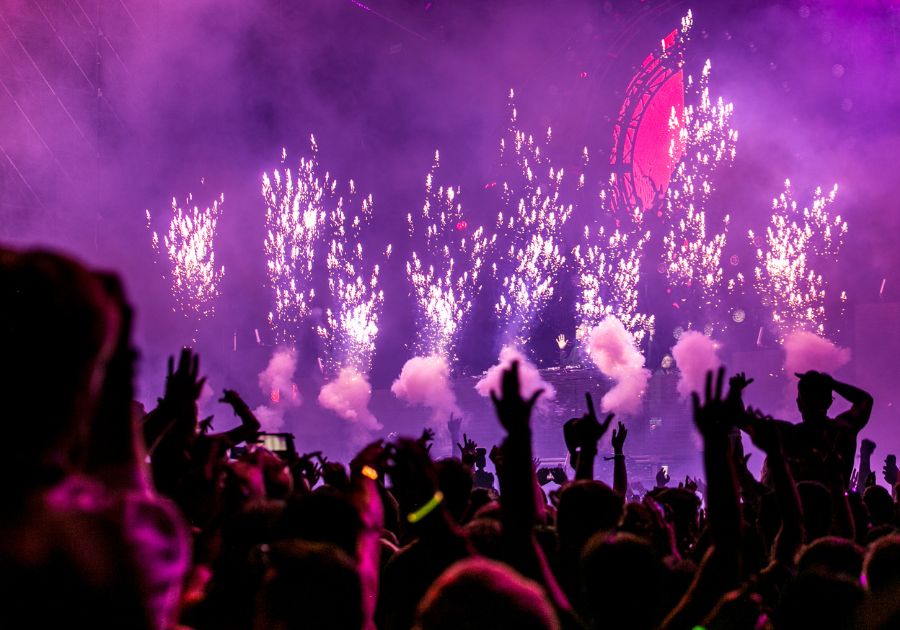
Ironically, the movement toward offline living has found a massive home online. Platforms like Instagram, TikTok, and YouTube are flooded with content celebrating quiet moments. But instead of the loud, high-saturation editing styles of the past, this content comes with a distinct visual language:
- Soft, neutral color palettes and natural lighting.
- Ambient sounds like pouring rain, vinyl crackles, or the quiet clink of a ceramic mug.
- Extended, uninterrupted shots of everyday tasks like kneading dough or walking through a park.
- “Digital detox” vlogs documenting weekends spent completely offline.
Creators are building massive audiences simply by documenting the mundane in a beautiful, meditative way. It turns out that watching someone meticulously brew a cup of matcha or tend to a balcony garden acts as a digital nervous system calmer for viewers scrolling through a stressful feed.
Why Are We So Obsessed with the Slow Life?
Human beings crave balance. When culture swings too far in one direction—in this case, hyper-connectivity and constant stimulation—a natural correction takes place. Here is why this movement resonates so deeply right now:
1. The Antidote to Decision Fatigue
We make thousands of micro-decisions every day, many of them prompted by notifications, emails, and targeted ads. Slow living strips away the noise, offering a simpler framework for daily life. When you focus on one task at a time—known as single-tasking—your brain gets a much-needed break from cognitive overload.
2. The Aesthetic of Rest
Let’s be honest: taking a break looks really good on camera. The slow living aesthetic feels luxurious because it represents something scarce in modern life: unstructured time. Showing a photo of an unhurried Sunday morning reading a physical book has become a subtle status symbol.
3. A Return to Tangible Experiences
So much of modern life happens behind a piece of glass. People are increasingly seeking out physical, tactile experiences—pottery classes, vinyl records, board game nights, and cooking from scratch—that engage all five senses in the physical world.
Finding Your Slow in the Fast Lane: The UAE Perspective
Living in a dynamic, fast-paced hub like Dubai or anywhere in the UAE has incredible perks. The energy here is unmatched, with world-class dining, constant innovation, and endless entertainment right at your fingertips. But matching that high-speed velocity 24/7 can drain anyone’s social battery.
That’s why the local interpretation of slow living has taken on such a unique and exciting flavor. Residents are finding creative ways to hit pause amidst the urban buzz:
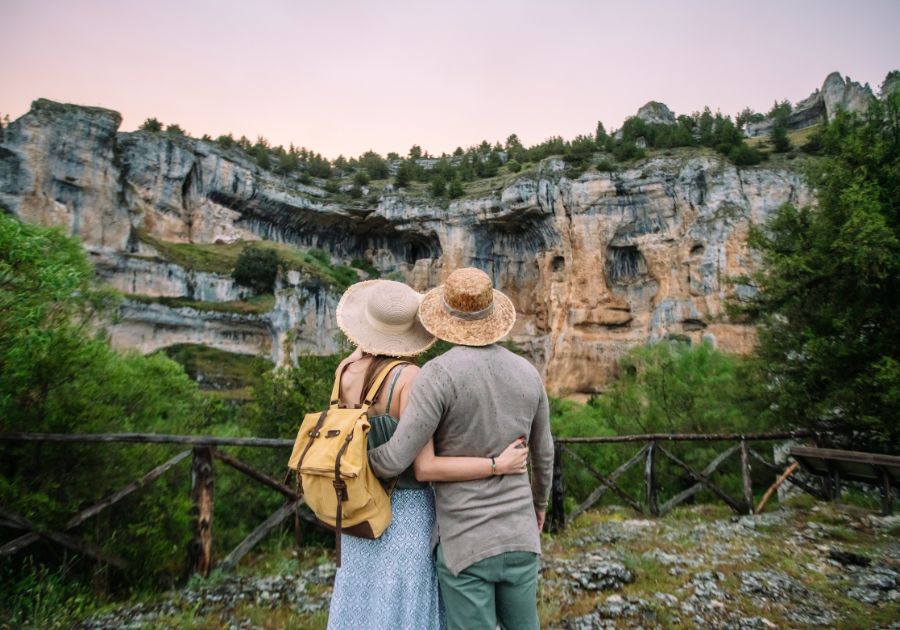
- Desert Escapes: Swapping city lights for weekend camping trips under the stars in the quiet expanses of Ras Al Khaimah or Liwa, where cell service is limited and the night sky takes center stage.
- Mindful Coastal Hangouts: Trading bustling beach clubs for quiet morning paddleboarding sessions at sunrise before the city wakes up.
- Third Places: Seeking out independent cafes with cozy, book-lined interiors that encourage lingering over a specialty coffee without rushing to clear the table.
It’s all about balance—enjoying the incredible pulse of modern city life while carving out sacred pockets of quiet to recharge.
How to Incorporate a Little Slow Living Into Your Routine
You don’t need to quit your job or delete all your social media apps to embrace this trend. Small, intentional changes can make a massive difference in how you feel. Here are a few easy ways to test-drive the slow life:
Create Tech-Free Zones
Designate specific times or areas in your home where phones aren’t allowed. For example, keep your smartphone out of the bedroom so it isn’t the first thing you look at in the morning or the last thing you see at night.
Embrace JOMO (The Joy of Missing Out)
Give yourself permission to say no to social events or plans when you simply need to rest. Protecting your downtime isn’t antisocial; it’s a vital form of self-care.
Rethink Your Leisure Time
Instead of defaulting to scrolling through social media when you’re bored, try picking up a physical book, listening to a full album from start to finish without skipping tracks, or going for a walk without your headphones.
Float & Fun Takeaway
The rise of slow living and digital mindfulness isn’t a rejection of modern life—it’s an upgrade to how we experience it. By learning to step back, disconnect, and appreciate the quiet moments, we create more space for genuine joy and creativity.
Ready to explore more lifestyle trends, digital culture breakdowns, and entertainment guides? Keep browsing Float & Fun for your next deep dive into the topics everyone is talking about!
Leave a Reply
