




The Slow-Living Revolution: Why the Digital Generation is Trading Hustle Culture for Offline Escapes
Picture this: It is a Friday evening. Instead of scrolling through an endless loop of algorithmic content, checking notification banners, or rushing to the latest hyper-hyped hotspot, your phone is sitting face down in another room. You are baking bread from scratch, reading a physical book with actual paper pages, or taking a long, unhurried walk without a smartwatch tracking your heart rate, step count, or calorie burn. Sound like a utopian fantasy from a bygone era? Think again.
Welcome to the slow-living movement—a cultural shift that is rapidly redefining how we think about productivity, entertainment, and modern lifestyle choices. Across the globe, people are hitting the brakes on relentless hustle culture. They are logging off, stepping away from the screen, and embracing a simpler, more mindful pace of life. But how did we get here, and why is this analog rebellion taking over our digital feeds?
What is the Slow-Living Movement?
At its core, slow living is not about moving at a snail’s pace or abandoning ambition. Instead, it is a deliberate choice to prioritize quality over quantity, presence over productivity, and deep engagement over shallow multitasking. It means intentionally choosing to do things properly rather than quickly.
While the concept has roots in the Slow Food movement that began in Italy during the late 1980s as a protest against fast food culture, its modern incarnation is a direct antidote to modern digital exhaustion. Today’s slow-living lifestyle encompasses a wide range of mindful habits:
- Investing time in tactile hobbies like pottery, gardening, knitting, and analog photography.
- Practicing digital detoxes, ranging from phone-free weekends to designated tech-free hours every single evening.
- Savoring daily rituals, such as grinding whole coffee beans by hand or cooking meals from whole, locally sourced ingredients.
- Prioritizing real-world social connections over curated online interactions.
Why Everyone is Suddenly Talking About Slow Living
For years, internet culture celebrated the grind. We wore our busyness like a badge of honor, romanticized the 9-to-5 hustle combined with a side hustle, and treated leisure time as something that needed to be optimized. If you weren’t constantly learning a new skill, building a brand, or producing content, did you even exist?
Eventually, the pendulum had to swing back. Burnout became the defining condition of the digital generation. Constant connectivity, push notifications, breaking news alerts, and the pressure to maintain an active social media presence left millions of people feeling mentally drained. Slow living has surged in popularity because it offers a much-needed sanctuary from constant mental stimulation.
The Irony of Slow Living on Social Media
Of course, there is a fascinating cultural paradox at play here: much of the awareness surrounding slow living is actually spreading *through* social media platforms like TikTok, Instagram, and YouTube. Creators film aesthetically pleasing, sun-drenched videos of themselves making matcha lattes, tending to houseplants, or reading in cozy reading nooks.
While this might seem contradictory—using digital tools to promote a lifestyle centered on unplugging—these pieces of content serve as visual inspiration. They act as digital postcards from a calmer world, reminding stressed-out viewers that another way of living is possible. The key is using these platforms as a spark for real-world change rather than just another form of passive consumption.
Bringing the Slow Life to the Fast Lane: The UAE Perspective
Embracing a slower pace might seem easy if you live in a quiet countryside village, but what happens when you live in a hyper-modern metropolis? Cities known for their incredible speed, towering skylines, and relentless innovation—like Dubai and Abu Dhabi—present a unique setting for the slow-living trend.
Far from being incompatible, slow living in the UAE has evolved into a sophisticated lifestyle choice. Residents and visitors are actively seeking out balance amidst the dynamic energy of city life:
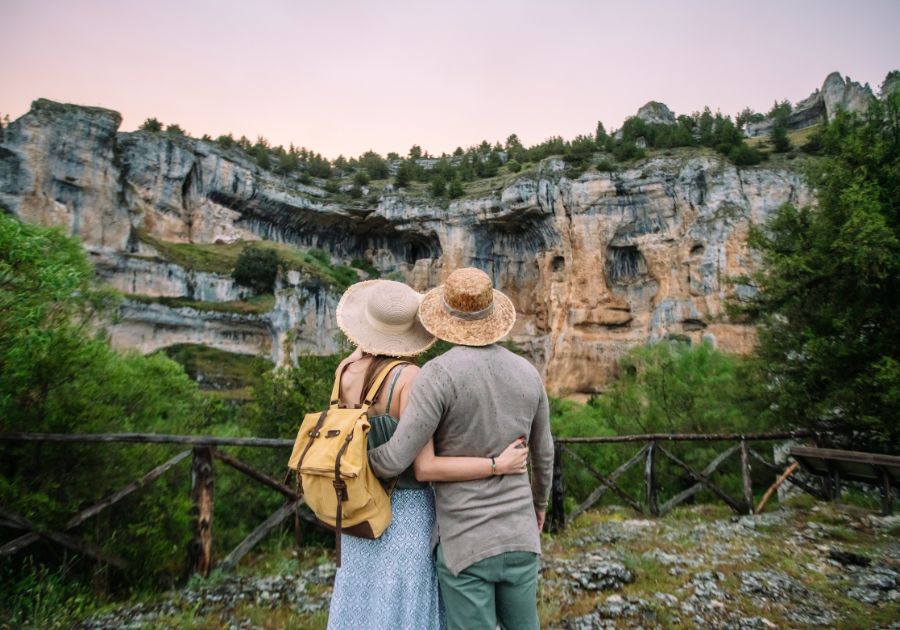
- Nature Escapes: Weekend trips away from the city lights to the serene dunes of the desert, the quiet mountains of Hatta, or the peaceful mangroves of Abu Dhabi have become essential rituals for mental recharging.
- Mindful Spaces: The rise of independent local coffee shops focusing on artisanal brewing techniques rather than fast-casual convenience offers residents a physical space to slow down and connect.
- Wellness Culture: Yoga studios, sound-bath meditation sessions, and community pottery workshops are seeing massive engagement as people look for tangible, offline ways to decompress.
In a region famous for dreaming big and moving fast, carving out quiet moments of stillness has become the ultimate luxury.
Why People Are Craving Tangible Experiences
Another major driver behind this trend is our growing collective fatigue with the purely digital world. With virtual reality, AI-generated art, and streaming services dominating our entertainment choices, there is a renewed appreciation for things you can physically touch, smell, and hold.
Vinyl record sales continue to climb year after year, physical books are outselling e-readers among younger demographics, and film photography is experiencing a massive renaissance. People are realizing that digital convenience often comes at the cost of emotional resonance. A digital photo stored on a hard drive is easy to scroll past and forget, but a printed photograph in an album tells a story you can feel.
How to Incorporate Slow Living Into Your Daily Routine
You do not need to quit your job, pack up your belongings, or move off the grid to embrace slow living. You can start right where you are, exactly as you are. Here are a few simple ways to introduce more mindfulness into a busy modern schedule:
- Create Phone-Free Zones: Designate your dining table and your bedroom as strictly no-phone areas to protect your meals and your sleep quality.
- Embrace Single-Tasking: Practice doing one thing at a time. When you listen to a music album, just listen—don’t check emails or browse social media simultaneously.
- Take Aimless Walks: Go for a walk without listening to a podcast, an audiobook, or music. Let your mind wander and notice the physical environment around you.
- Rediscover Analog Hobbies: Pick up a craft, a musical instrument, or a physical puzzle that requires your hands and your undivided attention.
Conclusion
The slow-living movement is more than just a passing lifestyle trend or an aesthetic social media trend—it is a conscious reminder to reclaim our time, our attention, and our peace of mind. By balancing the exciting speed of the modern world with intentional moments of stillness, we can enjoy the best of both worlds.
Want to explore more lifestyle trends, digital culture insights, and entertainment guides? Keep browsing Float & Fun for your daily dose of inspiration, pop culture breakdowns, and modern living tips!
Leave a Reply
