

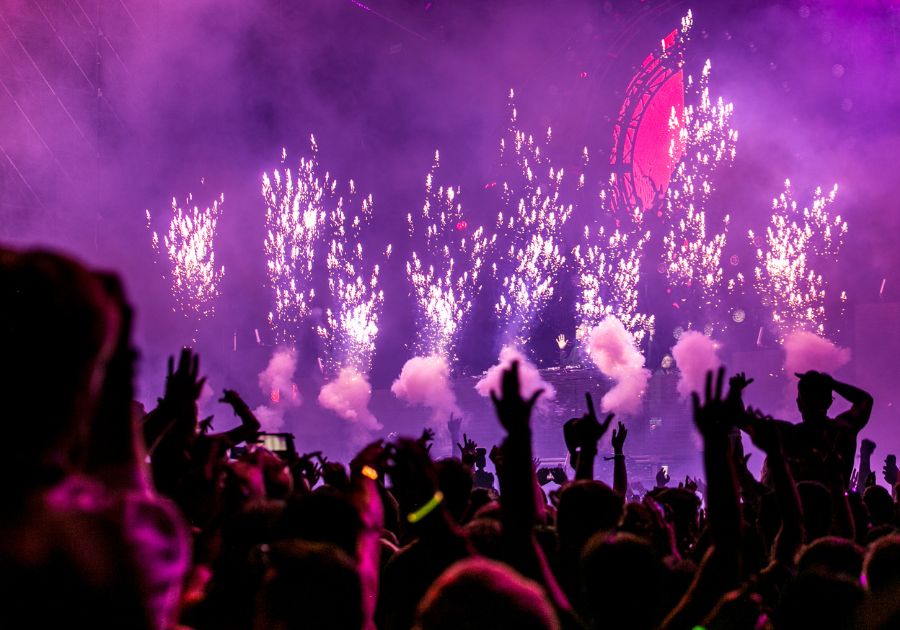



The Rise of Immersive Entertainment: Why We Are Trading Passive Viewing for Full-Body Experiences
Remember when a great weekend meant parking yourself on the couch, ordering a mountain of takeout, and binge-watching a new show until your eyes crossed? While our love for a good series marathon isn’t going anywhere, the way we consume entertainment is undergoing a massive, high-tech makeover. Today, audiences are looking for something far more visceral. We want to step directly into the frame, interact with the environment, and feel like the main character of our own digital adventure.
Welcome to the era of immersive entertainment—a booming lifestyle and cultural movement that is reshaping how we play, travel, and socialize. From hyper-realistic virtual reality spaces to sprawling interactive art installations, this trend is turning passive observers into active participants. Whether you are scrolling through TikTok feeds filled with dazzling projections or planning your next weekend hangout, you have likely noticed that experiences are officially replacing traditional outings.
At Float & Fun, we love diving deep into the cultural shifts that make modern life so exciting. Let’s unpack why immersive entertainment is taking over our feeds, our weekends, and our cities, and what it means for the future of how we have fun.
What Is Immersive Entertainment, Anyway?
If the phrase “immersive entertainment” sounds a bit like tech jargon, don’t worry. It is actually a very simple concept with a massive creative footprint. At its core, immersive entertainment describes any experience that blurs the line between the audience and the content. Instead of looking at a screen or sitting in a traditional theater seat, you are enveloped by the environment.
This trend isn’t entirely new—theme parks have been doing it for decades—but recent leaps in technology have democratized the concept. Today, high-end projection mapping, spatial audio, augmented reality (AR), and sensory design allow creators to build mind-bending worlds almost anywhere.
Some of the most popular formats driving this movement include:
- Digital Art Exhibitions: Massive gallery spaces where classic and contemporary artworks are projected onto every surface, moving to the beat of a custom musical score.
- Location-Based VR Arenas: Warehouses and entertainment centers where groups strap on headsets and haptic vests to battle zombies, solve sci-fi mysteries, or explore fantasy worlds together.
- Themed Escape Rooms and Puzzle Adventures: High-production sets with live actors, complex storylines, and physical puzzles that require teamwork to solve.
- Interactive Dining and Theatrical Pop-Ups: Meals paired with storytelling, projection-mapped tables, and multi-sensory flavor profiles that change based on the narrative.
Why Everyone Is Obsessed With Real-World Interactivity
So, why the sudden collective pivot toward interactive experiences? After spending years relying heavily on screens for both work and play, society has developed a craving for tangible, real-world connection. We want to get off our phones while simultaneously creating content *for* our phones.
Immersive entertainment hits a sweet spot. It offers a break from the routine of daily life while providing a high-energy backdrop for socializing with friends. It turns an ordinary Thursday night or Saturday afternoon into an event. When you step into a glowing digital forest or solve a high-stakes puzzle in a movie-quality set, you aren’t just consuming media—you are making memories.
The Social Media Factor
Let’s be honest: aesthetics play a huge role in modern lifestyle trends. Immersive environments are inherently visual. The interplay of dramatic lighting, infinity mirrors, and giant projection displays creates the ultimate canvas for social media storytelling.
Platforms like Instagram and TikTok thrive on dynamic, visually striking content. When people visit these installations, they aren’t just participating in the experience; they are broadcasting their lifestyle to their networks. This organic, user-generated ripple effect acts as a powerful marketing engine, drawing new crowds into these sensory worlds every single day.
Immersive Experiences in the Modern Urban Landscape
Cities around the world are rushing to adapt to this demand, transforming empty retail spaces, warehouses, and cultural centers into portals for alternative realities. Modern metropolises are becoming playgrounds where creativity meets architecture.
The Scene in the UAE
In vibrant cultural hubs like Dubai and the wider UAE, the appetite for cutting-edge entertainment is exceptionally high. Known globally for architectural marvels and a forward-thinking lifestyle, the region has embraced the immersive trend with open arms.
From futuristic museums and projection-mapped cultural centers to high-tech gaming lounges and immersive dining concepts, Dubai serves as a living laboratory for the future of entertainment. Residents and visitors here expect innovation, and the local entertainment scene consistently delivers by blending luxury, technology, and pure fun. Whether it’s a temporary art pop-up in Downtown Dubai or a permanent virtual reality hub, the UAE proves that modern audiences love spaces that challenge their imagination.
The Psychology of Play: Why We Need Escapism
Beyond the aesthetic appeal and the social media clout, immersive entertainment scratches a deep psychological itch. Life can be repetitive, stressful, and heavily routine-driven. Immersive spaces offer a socially acceptable, highly entertaining form of escapism.
When you enter a simulated world, your brain responds differently than it does to a flat screen. The physical movement, the spatial audio, and the tactile elements trick your senses into feeling genuinely present. It offers a cognitive reset—a chance to step outside of your everyday identity and try something entirely new for an hour or two.
This shift reflects a broader generational change in consumer spending habits. People, particularly Millennials and Gen Z, increasingly prioritize experiences over material goods. Making memories, learning a new skill through play, and sharing a laugh with friends in an extraordinary setting simply holds more long-term value than buying another gadget or item of clothing.
What’s Next for the Immersive Movement?
As technology continues to evolve, the boundaries of immersive entertainment will only expand. We are already seeing the early stages of mixed reality, where physical props blend seamlessly with digital overlays visible through lightweight smart glasses. Creators are experimenting with artificial intelligence to generate personalized narratives, meaning your next interactive adventure might adapt its storyline based on your choices and reactions.
The message for creators and lifestyle brands is clear: static content is taking a backseat. If you want to capture the public’s imagination today, you have to invite them inside the story.
Join the Fun
Immersive entertainment proves that the future of fun is active, collaborative, and endlessly creative. Whether you are planning your next weekend outing, exploring high-tech installations in the city, or simply looking to shake up your routine, stepping out of your comfort zone is where the real magic happens.
Want to stay ahead of the curve on all the latest lifestyle shifts, digital culture highlights, and entertainment trends? Keep exploring right here at Float & Fun for your regular dose of modern inspiration!
Leave a Reply
