

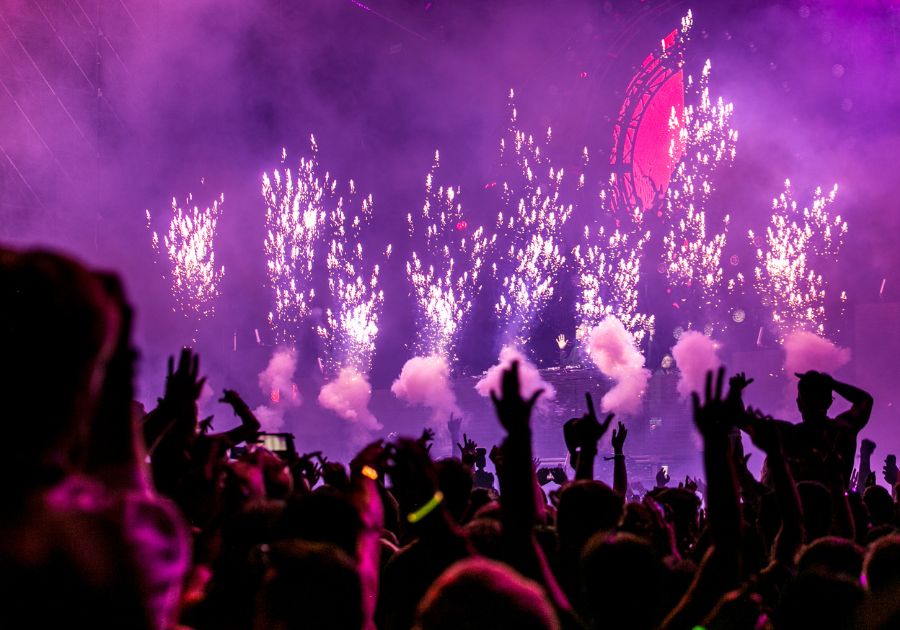




Remember when weekends used to be just about catching up on sleep, running endless grocery errands, and maybe squeezing in a quick movie night? Somewhere between our hyper-connected daily grinds and the constant ping of notifications, how we relax has undergone a massive cultural shift. Today, leisure isn’t just an afterthought squeezed into the margins of a busy calendar—it is an art form, a lifestyle, and arguably the most important appointment on our weekly agendas.
At Float & Fun, we are obsessed with this evolution. Modern entertainment is no longer just about zoning out in front of a screen; it is about active restoration, sensory exploration, and curating experiences that actually leave us feeling refreshed rather than fatigued. Let’s dive into how the definition of “fun” is changing and why upgrading your downtime is the ultimate self-care trend.
The Shift from Passive Consumption to Active Joy
For a long time, the default setting for downtime was passive. We sat on the couch, scrolled through endless algorithmic feeds, or binged television shows until our eyes blurred. While there is certainly a time and a place for a cozy TV marathon, many of us have realized that passive consumption doesn’t always equal genuine relaxation.
In fact, doom-scrolling often leaves us feeling more depleted than when we started. That realization has sparked a cultural rebellion toward intentional leisure. People are looking for experiences that engage the senses, spark creativity, and offer a genuine break from the digital world.
Sensory Escapism: Why Float Tanks and Immersive Spaces Are Booming
One of the most fascinating trends in modern wellness and entertainment is the rise of sensory escapism. Think about the explosive popularity of float therapy, immersive art installations, and acoustic sound baths. These aren’t just passing fads; they are direct responses to sensory overload.
When you step into a floatation tank or visit a multi-sensory light exhibition, you are trading the chaotic noise of everyday life for controlled, restorative tranquility. In our opinion, this is where the magic happens. By stripping away the constant inputs of modern technology, our brains finally get the breathing room they need to reset, create, and simply just *be*.
- Sensory deprivation and float pods for mental clarity
- Walk-through digital art museums that blend tech with wonder
- Acoustic soundscapes designed to lower cortisol levels
- Tactile hobbies like ceramics, baking, and analog crafting
Playgrounding: Bringing Whimsy Back to Adulthood
Another major player in the modern leisure revolution is a concept we like to call “playgrounding”—the intentional integration of childlike wonder and play into adult life. Let’s be honest: adulting can be profoundly serious. Between paying bills, managing careers, and navigating social obligations, we rarely get to just play for the sake of playing.
Enter the boutique entertainment economy. Cities around the world are seeing a surge in high-end arcade bars, indoor mini-golf courses with neon aesthetics, board game cafes, and interactive puzzle rooms. These venues aren’t targeting kids; they are built specifically for adults who want to let loose, share a laugh, and embrace a little healthy competition.
The Social Science of Shared Laughter
There is a distinct psychological benefit to shared play. When we engage in lighthearted activities with friends or even friendly strangers, our bodies release endorphins, social bonds strengthen, and the weight of daily stress temporarily lifts.
Unlike solitary screen time, these experiences build community. Whether you are trying to escape a virtual reality zombie apocalypse or debating the rules of an over-the-top mini-golf hole, you are creating memories and bonding over shared amusement. In our view, investing in these playful experiences is one of the best ways to keep burnout at bay.
Designing Your Ultimate Weekend Blueprint
So, how do we translate these trends into our own lives? Upgrading your downtime doesn’t require booking an expensive getaway or completely overhauling your routine. It simply requires a shift in mindset. Here are a few ways to curate a more vibrant and restful lifestyle:
- Audit your screen time: Notice which digital habits actually bring you joy versus the ones you do out of pure habit.
- Schedule novelty: Try one completely new activity every month, whether it’s a pottery class, a midnight stargazing trip, or a visit to a local museum.
- Embrace analog weekends: Dedicate a few hours each week to an activity that doesn’t involve electricity or Wi-Fi.
Leisure is deeply personal. What feels like an absolute blast to one person might feel exhausting to another. The secret is finding that sweet spot between relaxation and stimulation—the exact intersection where fun meets restoration.
Conclusion
The way we entertain ourselves is a reflection of how we want to live: consciously, joyfully, and with a healthy appetite for new experiences. By trading passive habits for intentional adventures and playful escapes, we can transform ordinary weekends into extraordinary memories. Ready to elevate your downtime? There is a whole world of culture, play, and relaxation waiting for you. Take a look around, dive into our other stories here at Float & Fun, and start planning your next great adventure today!
Leave a Reply
