

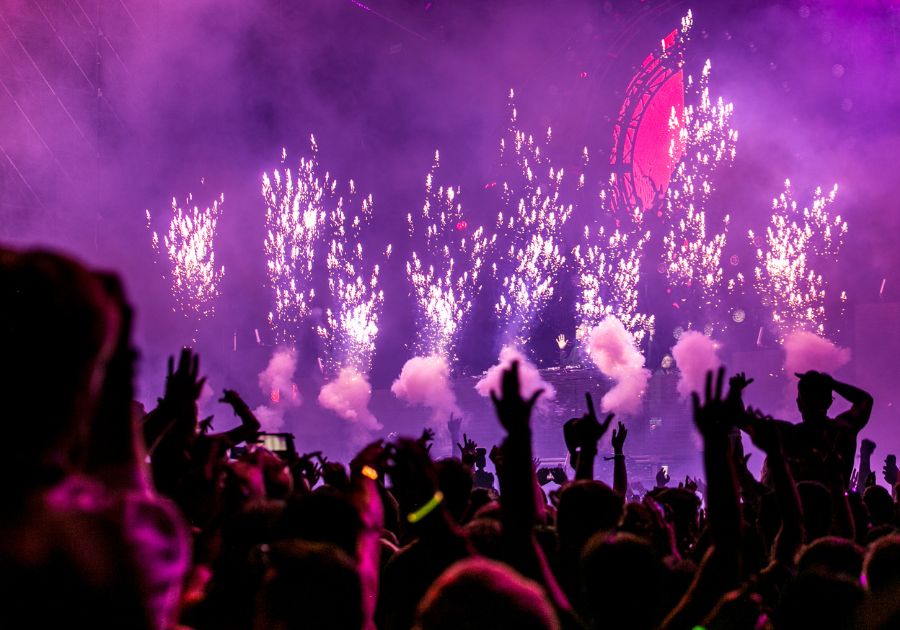




The Rise of Immersive Entertainment: Why We Are Trading Flat Screens for Multisensory Worlds
Remember when a great weekend plan meant grabbing popcorn, sinking into a dark cinema, and staring at a giant rectangular screen for two hours? While the classic movie night will always hold a special place in our hearts, our appetite for how we consume culture, art, and play is undergoing a massive shift. We no longer just want to watch a story unfold; we want to step right inside it.
From walk-through digital art galleries that blur the lines between reality and projection, to high-octane experiential dining concepts and hyper-realistic gaming setups, the entertainment landscape is evolving faster than you can refresh your social media feed. People are looking for experiences that engage all five senses, offering a break from the endless scroll of traditional media.
Welcome to the era of immersive entertainment. Whether you are chasing the ultimate content for your grid or simply looking for a weekend adventure that breaks the routine, this trend is reshaping how we play, eat, and socialize. Let’s dive into why everyone is talking about the shift toward multisensory experiences and how you can get in on the action.
What Is Immersive Entertainment, Anyway?
If you have been seeing glowing rooms filled with Van Gogh paintings, interactive museums where the walls react to your touch, or dining experiences featuring 3D projection mapping on your dinner plate, you have already brushed shoulders with immersive entertainment.
At its core, this trend takes traditional forms of media—like art, film, dining, and gaming—and strips away the barriers between the audience and the subject. Instead of being a passive observer, you become an active participant in the environment.
Key Elements of the Immersive Trend:
- Multisensory Design: Combining sight, sound, touch, and sometimes even scent and taste to create a complete world.
- Interactivity: Allowing the audience to influence the environment through motion sensors, touch screens, or direct participation.
- Physical-Digital Blending: Using augmented reality (AR), virtual reality (VR), and advanced projection mapping to transform physical spaces.
- Shareability: Designing visually stunning environments that are naturally primed for digital storytelling and content creation.
This approach transforms a standard night out into a core memory. Instead of asking, “What movie should we see?” friends are now asking, “What kind of world do we want to step into this weekend?”
Why Everyone Is Craving Multisensory Experiences
So, why this sudden surge in demand for hyper-real, interactive experiences? To understand the hype, we have to look at how our relationship with technology and leisure has changed over the past few years.
For starters, we spend a massive portion of our daily lives staring at flat screens—laptops for work, phones for communication, and televisions for relaxation. While digital connection is great, it has created a collective craving for tangible, real-world interactions that feel genuinely novel.
At the same time, technology has advanced to a point where creators can build mind-bending environments that were once restricted to science fiction. High-lumens projectors, sophisticated spatial audio systems, and responsive sensor technologies have become more accessible, allowing designers to dream bigger than ever before.
People also love experiences that offer high value for personal expression. In the age of short-form video and aesthetic curation, finding spaces that look incredible on camera while offering genuine entertainment value is the ultimate win-win.
How Cities Like Dubai Are Leading the Experiential Charge
When it comes to adopting and elevating futuristic lifestyle and entertainment trends, few places move as fast as the UAE. Cities like Dubai have become living laboratories for cutting-edge leisure, blending luxury, architecture, and advanced technology to create destinations that draw visitors from all over the globe.
Think about the way modern attractions in the region are conceptualized. Traditional museums and amusement parks are making way for destinations that blur the line between science, art, and pure wonder. Iconic architectural landmarks now house multi-story digital art spaces where visitors can walk through simulated rainforests, gaze at digital cosmos, or explore the future of human habitation.
The culinary scene is also getting a high-tech makeover. Dining in the UAE has long been a world-class affair, but the newest wave of food culture leans heavily into experiential storytelling. Restaurants are utilizing immersive audio-visual projections, synchronized music, and themed environments to turn a standard dinner into an unforgettable theatrical journey.
This dynamic environment makes it an exciting time for lifestyle enthusiasts. There is a constant rotation of pop-ups, temporary installations, and permanent attractions designed to challenge our perceptions of what entertainment can be.
The Intersection of Gaming, Pop Culture, and Real-World Play
The shift toward immersion isn’t just happening in art galleries and restaurants—it’s heavily influenced by modern gaming culture. For years, gamers have enjoyed deeply immersive digital worlds through open-world RPGs and VR headsets. Now, those expectations are spilling over into real-world entertainment.
Escape rooms laid the groundwork for physical problem-solving, but the latest generation of interactive entertainment takes things much further. We are seeing themed entertainment centers where participants wear tracking technology, navigate elaborate physical sets, and complete collaborative challenges that feel like stepping inside a video game.
Ways Gaming and Pop Culture Are Going Physical:
- Themed Escape and Adventure Rooms: High-production sets featuring professional actors, complex puzzles, and cinematic storylines.
- Interactive Arcade Bars: Blending classic gaming nostalgia with modern social spaces, craft beverages, and competitive multiplayer setups.
- Pop-Up Brand Worlds: Temporary physical installations created by entertainment franchises to let fans interact with their favorite universes.
This crossover appeals to both Gen Z and millennial crowds who grew up with video games and digital media. It turns leisure time into an active, social adventure rather than a passive viewing experience.
Tips for Diving Into the Immersive Lifestyle
Ready to upgrade your weekend plans and experience the multisensory trend for yourself? You don’t need a plane ticket to the future to get started, though keeping an eye out for local attractions is a great first step.
Here are a few ways to embrace the experiential mindset in your day-to-day life:
- Seek Out Local Pop-Ups: Keep an eye on local event calendars for temporary digital art exhibitions, interactive light shows, and experiential pop-up markets.
- Try Experiential Dining: Look for restaurants and cafes that offer themed menus, chef’s table projections, or multisensory tasting sessions.
- Upgrade Your Game Nights: Trade standard board games for cooperative puzzle games, escape-room-in-a-box kits, or local VR gaming lounges.
- Capture the Vibe Mindfully: When you visit an immersive space, take a moment to put the phone down and actually absorb the sensory details before snapping your photos.
Conclusion
The evolution of entertainment proves one thing clearly: we are always looking for new ways to spark our imagination, connect with friends, and break away from the ordinary. Whether through dazzling digital art, interactive gaming worlds, or boundary-pushing dining concepts, immersive entertainment is here to stay, turning our favorite pastimes into living, breathing adventures.
Want to stay ahead of the curve on the coolest lifestyle trends, digital media shifts, and entertainment must-dos? Keep exploring the rest of the Float & Fun blog for your ultimate guide to modern culture, style, and fun!
Leave a Reply
