

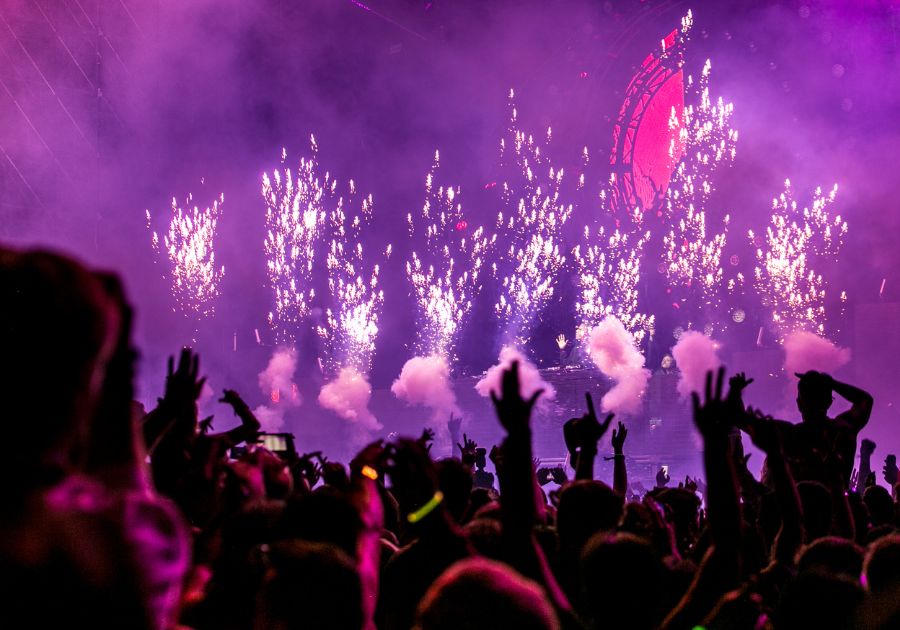




Remember when a great weekend meant catching a movie at the local multiplex or grabbing dinner at a crowded restaurant? Those classic weekend plans still hold a special place in our hearts, but our cultural appetite has shifted dramatically. Today, we are living through a golden age of experiential culture. From sensory-overload art installations to themed pop-up bars and interactive theater, modern audiences are constantly chasing a very specific kind of thrill: total immersion.
At Float & Fun, we are obsessed with how entertainment evolves to match our moods. We no longer just want to watch a story unfold on a flat screen; we want to step directly inside the frame. But what is driving this massive cultural pivot toward experiential living? Let’s dive into the fascinating psychology, trends, and pop-culture moments fueling the immersive entertainment boom.
From Spectator to Protagonist: The Shift in Modern Entertainment
For generations, popular culture operated on a one-way street. Creators produced movies, music albums, and video games, while audiences sat back to consume them. Sure, theme parks offered a taste of physical immersion, but they were largely reserved for family vacations or specialized outings. Over the past decade, however, the boundary between the audience and the artist has completely blurred.
Consider the massive popularity of escape rooms, interactive murder mystery dinners, and pop-up experiences dedicated to specific television shows or musical eras. In our view, these trends aren’t just passing fads—they represent a fundamental rewrite of how we engage with leisure time. We no longer want to be passive spectators. We want to be the main characters of our own weekend adventures.
Technology plays a massive role here, too. Virtual reality (VR) headsets and augmented reality (AR) smartphone apps have expanded our expectations of what a story can feel like. When you can strap on a headset and walk around a digital recreation of a historic landmark or an alien planet, traditional media suddenly feels a little flat. Even outside of tech, physical set designers are building intricate, tactile worlds that demand our active participation.
Why We Prefer Experiences Over Material Goods
There is also a broader economic and psychological shift happening in real-time. Cultural analysts frequently point out that Millennials and Gen Z consistently prioritize spending money on experiences—like concerts, festivals, travel, and interactive events—over accumulating traditional luxury goods.
In our opinion, this makes total sense. In a world saturated with digital clutter and endless shopping options, physical items can start to feel heavy and uninspired. Experiences, on the other hand, offer something far more valuable: memories, social currency, and a genuine sense of connection.
Think about your own camera roll. Are you more likely to smile at a photo of a designer jacket you bought three years ago, or a snapshot of you and your friends laughing inside a neon-lit, infinity-mirror room? Experiences give us stories to tell at dinner parties. They give us a break from our glowing screens while still giving us plenty of great content to share online.
Key Trends Defining the Immersive Movement Right Now
The appetite for experiential fun has given birth to some wildly creative industries. If you are looking to dive into the trend yourself, here are a few standout categories currently dominating the cultural landscape:
1. Multi-Sensory Art Exhibitions
Gone are the days of whispering quietly while shuffling past paintings in a sterile white gallery. Today’s blockbuster art shows project famous masterpieces across massive, wrapping walls while synchronized classical or ambient electronic soundtracks boom through the speakers. Visitors are encouraged to sit on the floor, walk through the projections, and truly absorb the atmosphere. It’s art appreciation reimagined for a modern attention span.
2. Themed Pop-Up Dining and Bars
Eating out is no longer just about good food; it’s about the total vibe. From cafes styled after beloved wizarding academies to cocktail bars hidden behind unassuming phone booths or vintage laundromats, themed hospitality has exploded. These spaces turn a routine Saturday night out into a mini-adventure, complete with Instagram-worthy photo ops and inventive, character-driven menus.
3. Live-Action Gaming and Immersive Theater
Shows like Sleep No More permanently changed the theatrical rulebook by letting audience members wander freely through multi-story sets while masked actors perform scenes simultaneously in different rooms. Pair this with the booming popularity of high-end escape rooms and competitive social gaming venues, and it’s clear that play is no longer just for kids.
The Challenges of Designing the Ultimate Thrill
Of course, creating a truly great immersive experience is no small feat. Designing a space that feels magical rather than gimmicky requires incredible attention to detail, strong storytelling, and seamless operations.
When an experiential venue gets it right, the results are magical. You forget about your work emails, your daily errands, and the outside world entirely. You are fully present in the moment. However, when poorly executed, these events can sometimes feel overcrowded, overpriced, or overly reliant on social media hype rather than substance.
That is why curation matters. As consumers become more sophisticated, they can easily spot the difference between a heartfelt, deeply crafted world and a cynical cash-grab. The best experiences respect the audience’s intelligence and reward curiosity.
What’s Next for the World of Play?
As we look to the future, the boundaries of entertainment will only continue to expand. We are already seeing exciting hybrids of live performance, digital gaming, and physical installation art. The rise of mixed reality suggests that our physical environments might soon be seamlessly enhanced by digital layers, making everyday spaces feel like interactive playgrounds.
Ultimately, our desire for immersive entertainment boils down to a very human need: connection. Whether we are solving a fictional mystery with strangers, dancing under a canopy of digital stars, or sharing a laugh at a themed brunch, we are looking for ways to feel more alive.
Ready to keep exploring the coolest trends in culture, lifestyle, and leisure? Dive deeper into the Float & Fun archives for more reviews, guides, and stories designed to upgrade your free time!
Leave a Reply
